
Turnkey Design and Installation | HTA Estate-Level Certified | Lutron HomeWorks and Ketra | Josh AI Integration
If you’re designing a dedicated home theater or media room in Westlake, Bee Cave, or Rollingwood, Smarter Homes brings the experience and partnerships needed to create something extraordinary.
As an HTA Luxury Certified integrator, we design private cinemas around the room, seating, acoustics, projection, immersive audio, lighting, and control. We coordinate with architects and builders during new construction and retrofit existing spaces with the same level of precision.
Six Elements of an Exceptional Private Cinema
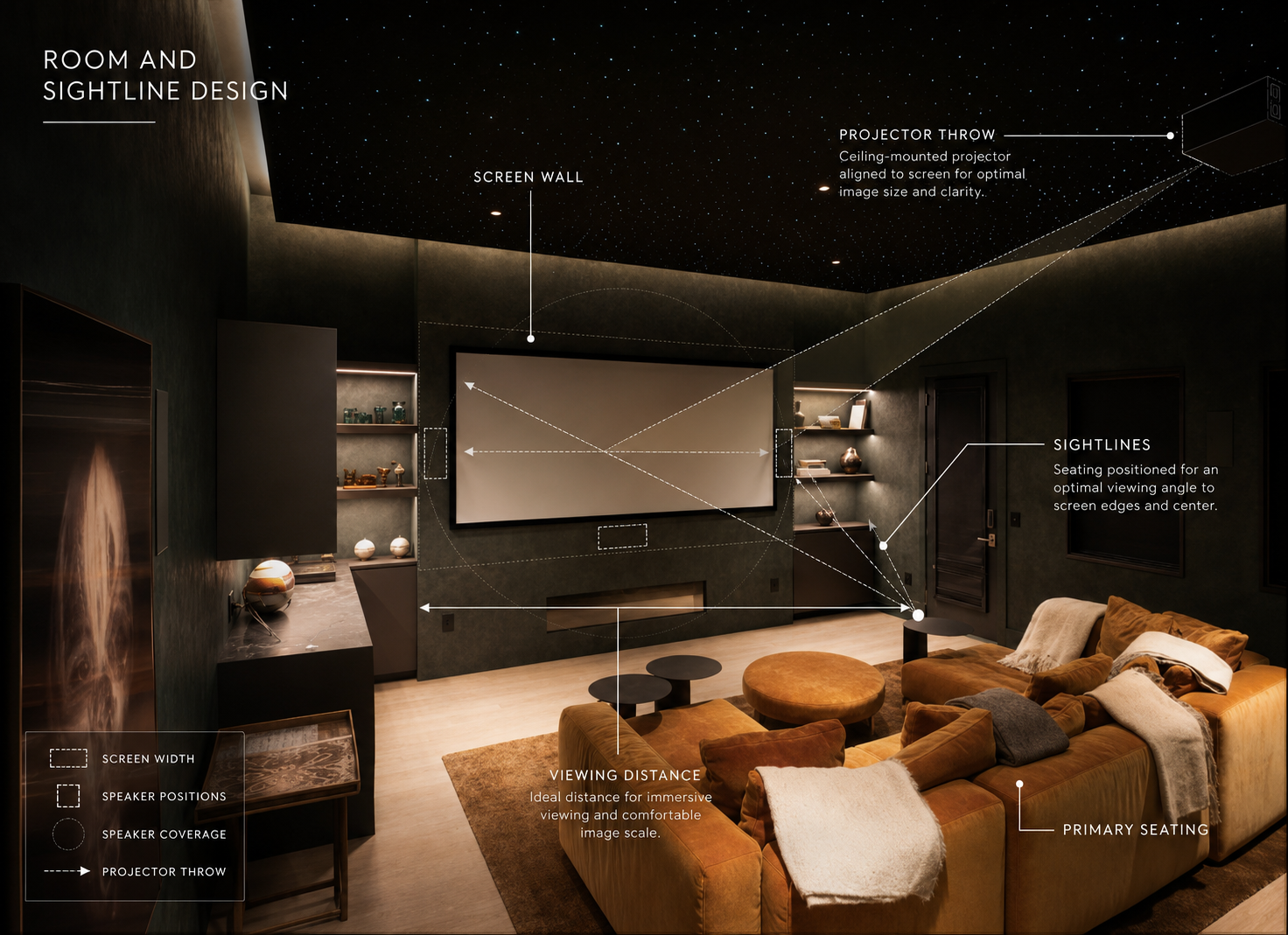
Room and Sightline Design
Screen size and seating count must be designed together. We calculate viewing distance, screen width, reclined eye position, riser height, head clearance, speaker coverage, and projector throw so every important seat has a clear and comfortable view.
Immersive Audio
A properly engineered immersive audio system uses carefully positioned front speakers, surrounds, overhead channels, subwoofers, amplification, and processing to create a convincing three-dimensional sound field.
Speaker count alone does not determine performance. Placement, output capability, directivity, room interaction, and calibration are equally important.
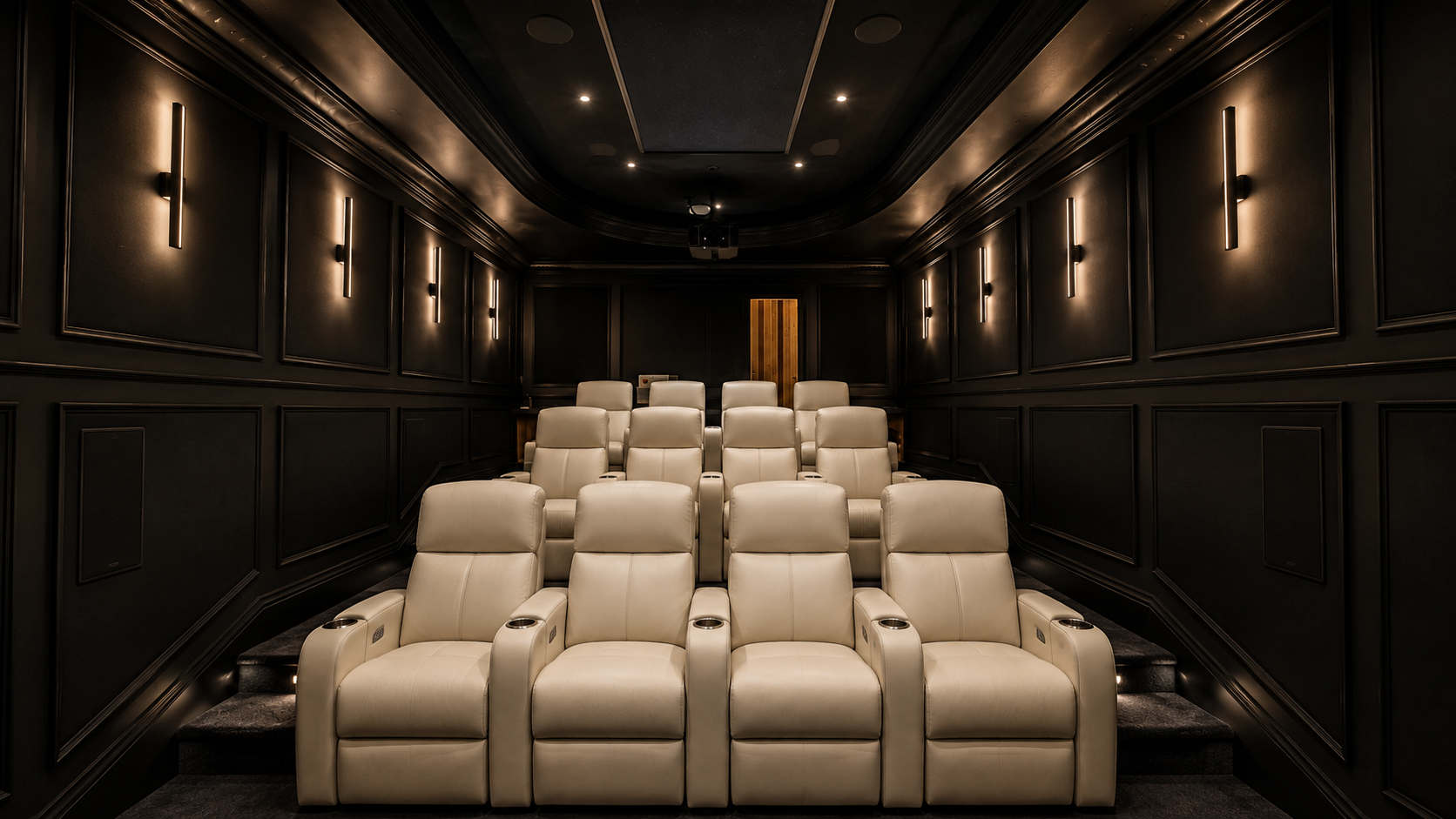
Reference-Quality Video
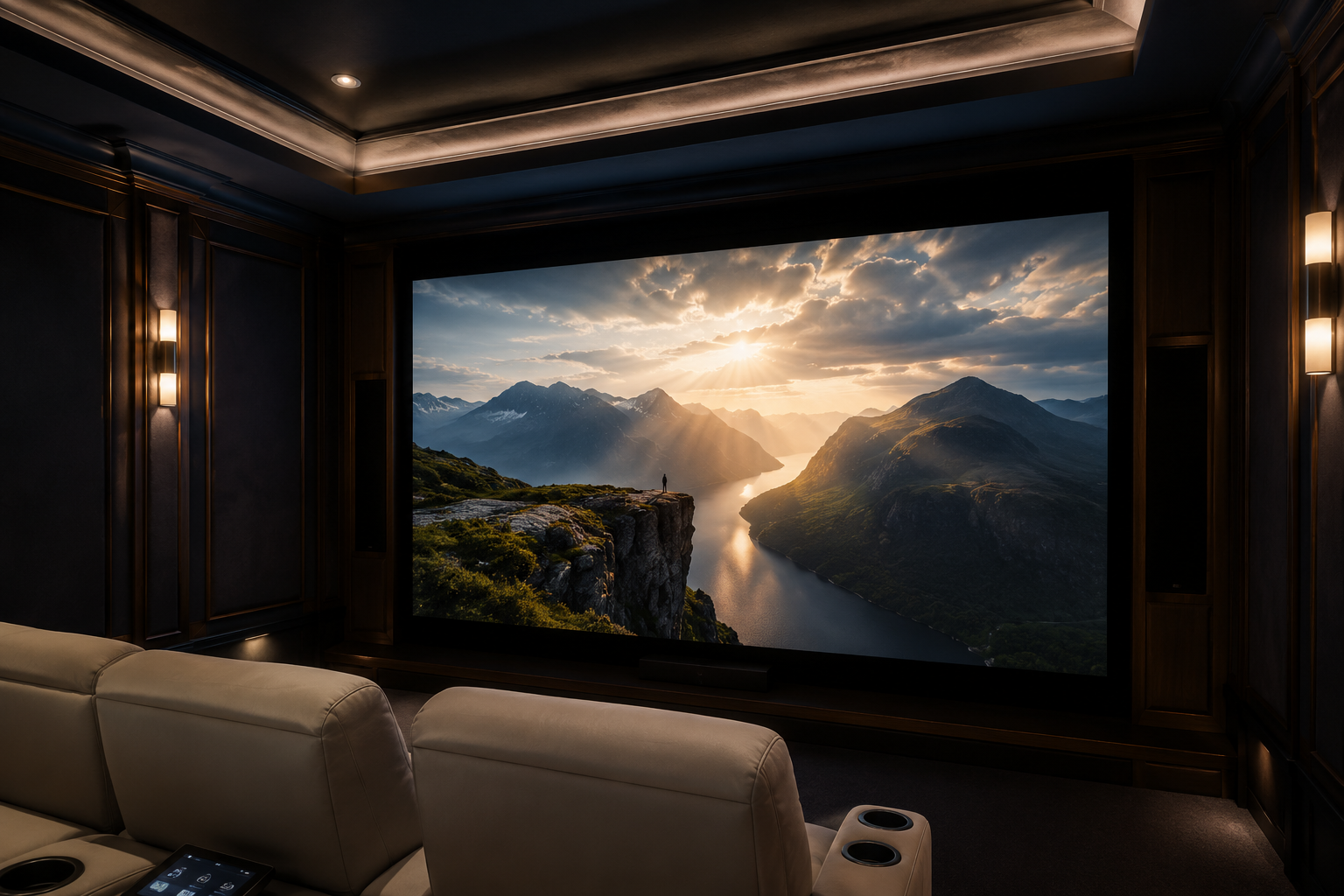
Projector brightness, native contrast, lens quality, screen material, screen gain, aspect ratio, room reflectivity, and professional calibration must be considered as one complete video system.
Higher-performance theaters may incorporate Kaleidescape, madVR video processing, variable screen masking, and reference-grade projection.
Acoustics by Better Sound
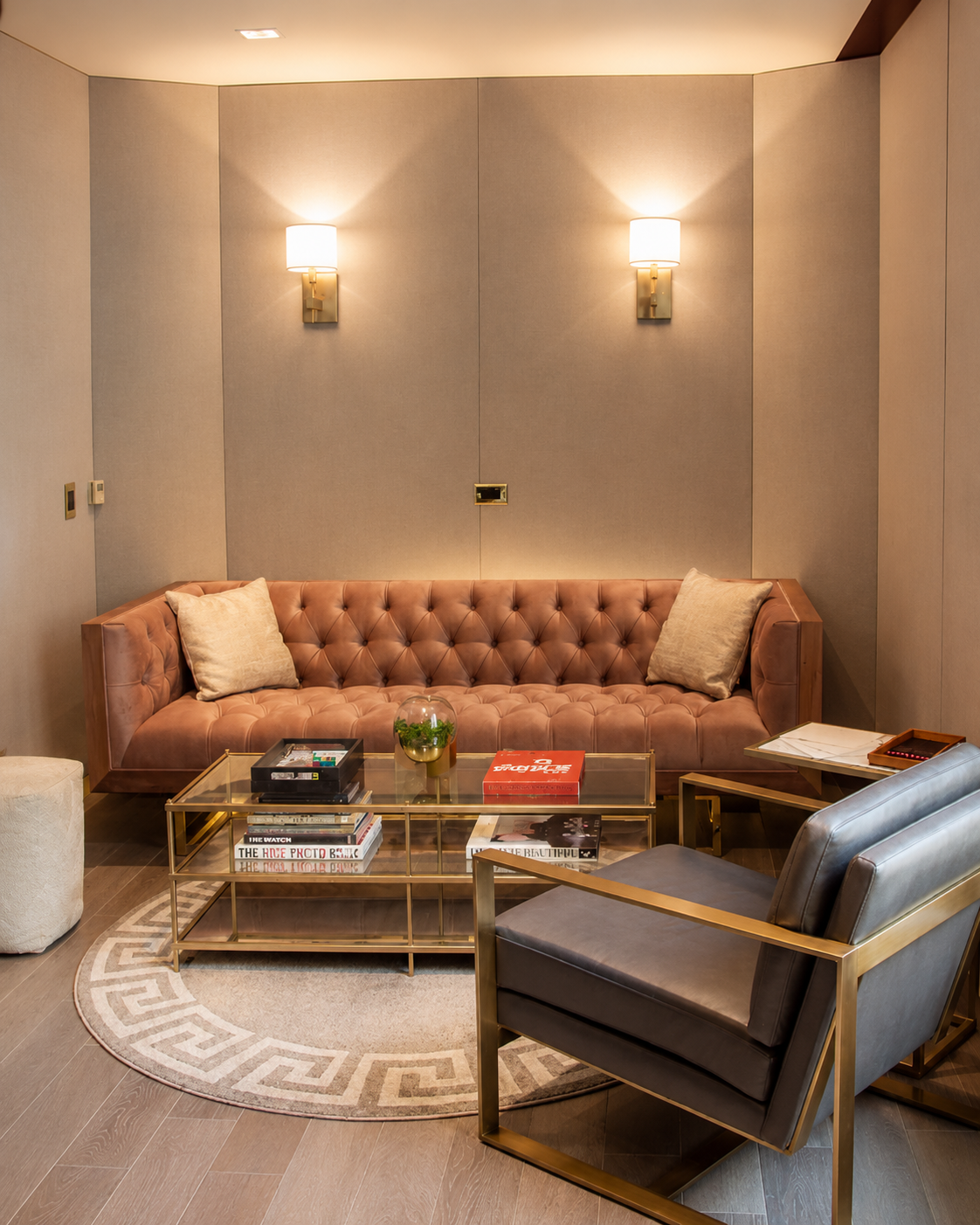
Smarter Homes works with Better Sound to address reflections, low-frequency buildup, sound isolation, treatment placement, and the architectural integration of acoustic materials.
Better Sound provides services including soundproofing, custom acoustic panels, fabric-track systems, acoustic wood treatments, and acoustic design consulting. These solutions help improve dialogue clarity, reduce unwanted reflections, and create a more balanced listening experience throughout the room.
Architectural Lighting
Theater lighting should create anticipation, guide people safely, highlight architectural details, and disappear when the feature begins.
Smarter Homes designs layered theater lighting using Lutron controls, architectural fixtures, linear lighting, and, where appropriate, Ketra.
Effortless Control
The technology should disappear when the movie starts.
Josh.ai can coordinate the projector, screen, source, sound system, lighting, masking, shades, and room modes through a handheld remote, touchscreen, app, or natural voice command.
Cinema Design Process
Our process includes:
- Discovery and performance goals
- Room, screen, seating, and acoustic planning
- Lighting, control, ventilation, and construction
- Installation, programming, calibration, and orientation





The Room Is Part of the Sound System
A private cinema’s performance depends on more than speakers and electronics. The room itself affects dialogue clarity, bass consistency, immersion, and how sound is experienced from every seat. Smarter Homes works with Better Sound Acoustics to integrate acoustic treatment, sound isolation, and architectural finishes into the theater design from the beginning.
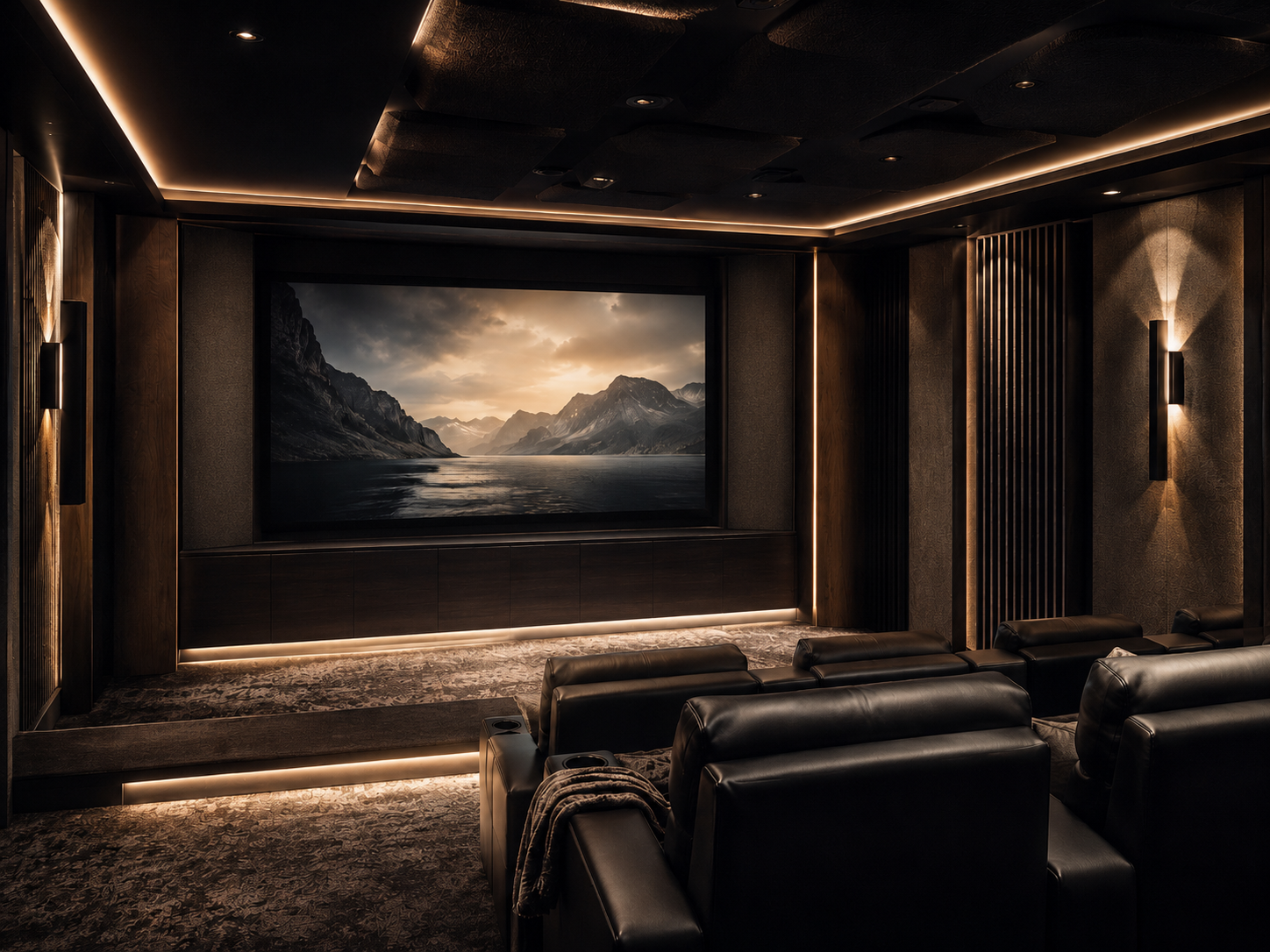
Cinema Sound Should Be Felt Without Becoming Fatiguing
The goal is not simply to make the room loud. The goal is to reproduce quiet detail, natural dialogue, dynamic impact, and seamless movement throughout the room without audible strain.
Depending on the performance level, the system may include:
- Three matching front speakers behind an acoustically transparent screen
- Multiple side and rear surround speakers
- Precisely positioned overhead speakers
- Dedicated multichannel amplification
- Professional cinema processing
- Multiple independently controlled subwoofers
- Active crossover and bass-management systems
- Measurement-based commissioning
Low-frequency performance is especially dependent on room design and subwoofer placement. Large theaters may require four or more independently processed subwoofers to improve consistency between seats.
Every Part of the Video Chain Matters
A high-performance projector cannot reach its potential unless the screen, room, source material, video processing, and calibration have been selected to work together.
Smarter Homes evaluates screen size and aspect ratio, projector throw distance, required light output, screen material, native contrast, HDR performance, room reflectivity, masking, and professional calibration as one complete video system.
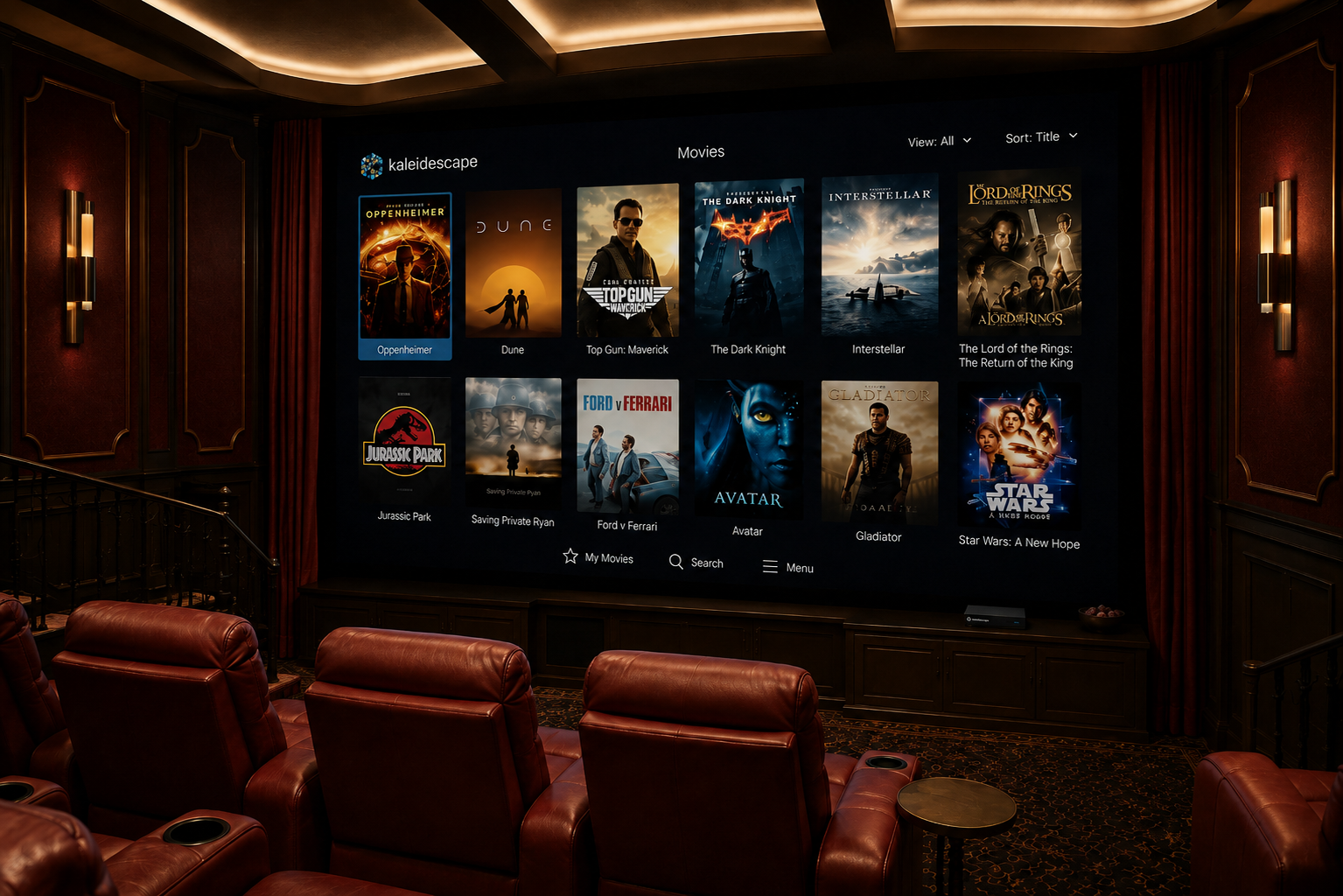
Kaleidescape: The Preferred Movie Source for Serious Theaters
Kaleidescape is designed for high-performance private cinemas where image quality, sound quality, reliability, and ease of use matter.
Unlike conventional streaming, Kaleidescape delivers full-quality movie downloads with higher video bitrates and lossless audio, helping the projection and sound system perform closer to its full potential.
Smarter Homes can integrate Kaleidescape into the theater’s control system so the movie, lighting, sound, masking, and room mode work together as one experience.
Video Processing and Everyday Sources
Kaleidescape is the preferred movie source for serious private cinemas, but the theater may also support Apple TV, gaming systems, live television, and other everyday sources.
Where the room and performance goals justify it, advanced video processing such as madVR Envy can improve scaling, HDR tone mapping, aspect-ratio management, and image consistency across different content sources.
Planning the Right Private Cinema for Your Home
Matching the Theater Design to Your Space, Goals, and Investment
A private cinema can range from an intimate media room to a fully engineered, reference-level theater. The right approach depends on the room, seating goals, performance expectations, architectural details, and overall investment.
Smarter Homes helps homeowners define the appropriate performance level before selecting equipment. Each theater is designed and engineered around the space so the screen, audio system, acoustics, lighting, control, ventilation, and seating work together as one complete experience.
No Dedicated Cinema Room Yet?
Not every home needs a traditional enclosed theater. Smarter Homes also designs high-performance media rooms, multipurpose entertainment spaces, and concealed audio-video systems that preserve the room’s architecture while delivering an elevated viewing experience.
The appropriate approach depends on the room, ambient light, seating arrangement, performance expectations, and how the space will be used every day.
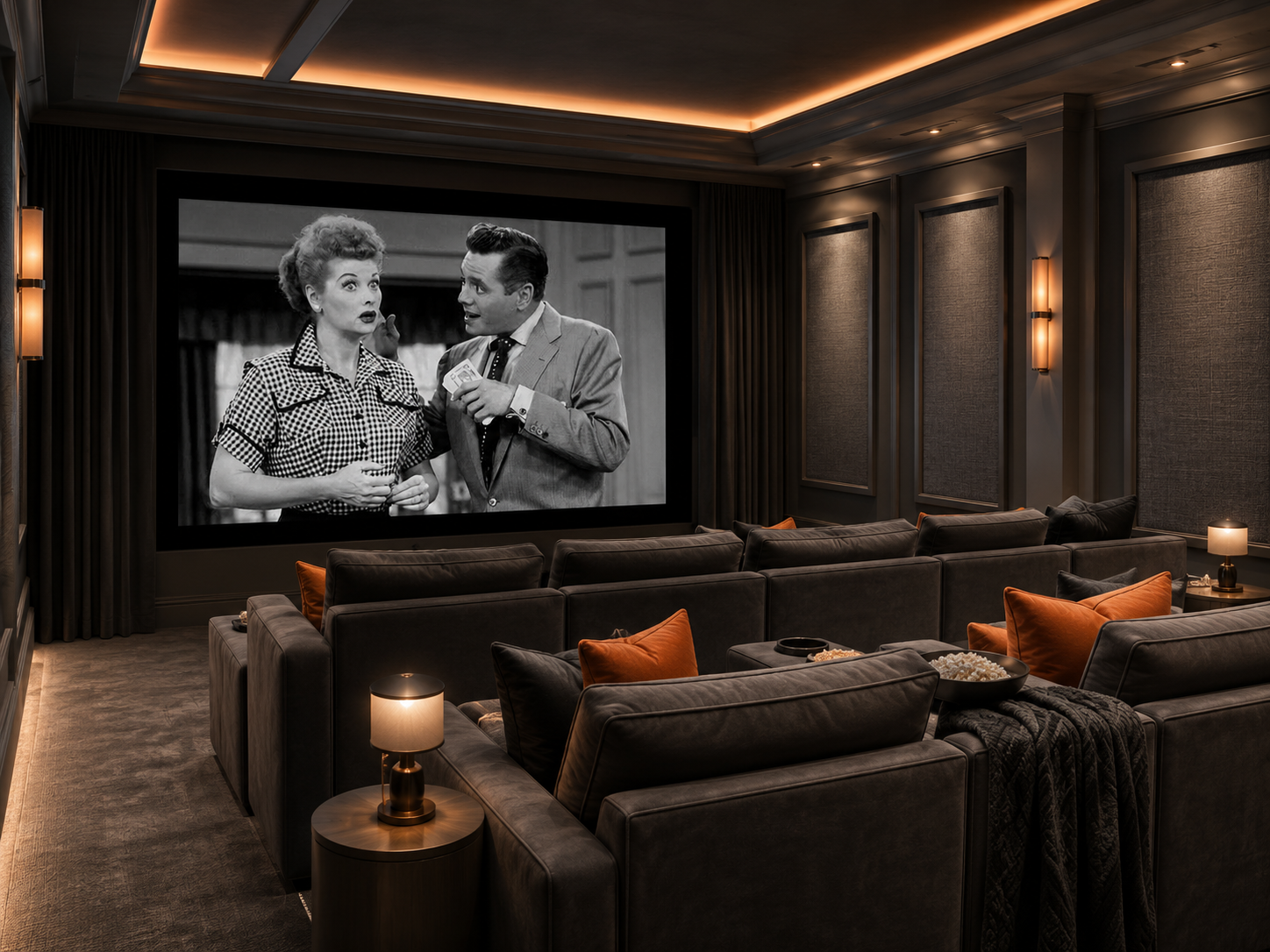
Private Cinema Systems We Design
- Dedicated private cinemas
- High-performance media rooms
- Immersive surround sound and Dolby Atmos
- Reference-quality projection and video processing
- Architectural lighting and scene control
- Acoustic treatment and sound isolation
- Motorized shades and screen masking
- Josh.ai control and automation
- Kaleidescape movie systems
- Professional calibration and commissioning
What Level of Private Cinema Are You Planning?
The ranges below are intended to establish the likely technology and system investment for a dedicated private cinema.
Pricing may include system design, audio and video equipment, equipment racks, installation, programming, integration, and calibration, depending on the final scope.
Entry Level
$15,000–$50,000
Typically suited for an intimate four-to-six-seat cinema with a 100-inch to 120-inch screen, an entry-performance 4K projector, and a receiver-based immersive audio system using architectural speakers.
Enhanced
$51,000–$100,000
Typically suited for a six-to-eight-seat room with a 120-inch to 140-inch screen, a brighter, higher-performance projector, improved screen material, and a more capable immersive audio system.
Performance
$101,000–$175,000
Typically suited for an eight-to-sixteen-seat cinema with a screen approximately 12 to 15 feet wide, a high-performance projector, and cinema-quality sound designed for greater output, clarity, and seating coverage.
High Performance
$176,000–$300,000
Typically designed for larger dedicated cinemas with 8–20 seats, ultra-wide screens, reference-grade projection, higher-output immersive audio, multiple subwoofers, advanced acoustic treatment, and more extensive calibration.
Ultra High Performance
$300,000+
Designed for no-compromise private cinemas using top-tier projection, reference-level audio, advanced room acoustics, custom architectural integration, premium control, specialty video processing, and detailed commissioning.
Private Cinema Pricing Disclaimer
The ranges above are planning estimates and are intended to help establish the likely technology and system investment for a dedicated private cinema.
Final pricing depends on room size, performance goals, equipment selection, acoustic requirements, construction conditions, programming, calibration, and the final approved scope of work. Architectural finishes, seating, HVAC construction, electrical work, and other trade costs may be separate unless specifically included in the proposal.
Immersive Audio Configuration Options
Professional Theater Design & System Planning
Professional theater design starts with the room, not the equipment. Screen size, seating position, speaker placement, acoustics, lighting, ventilation, control, and construction details all affect how the finished space performs.
Smarter Homes coordinates these elements into one complete design, with Better Sound Acoustics supporting the acoustic treatment and room-performance strategy where appropriate. The result is a private cinema that is comfortable, easy to operate, visually integrated, and engineered to perform consistently from seat to seat.
Ready to Plan Your Private Cinema?
Whether you’re planning a dedicated theater during new construction or transforming an existing room, Smarter Homes can help define the right screen size, seating layout, audio system, acoustics, lighting, and control strategy for the space.
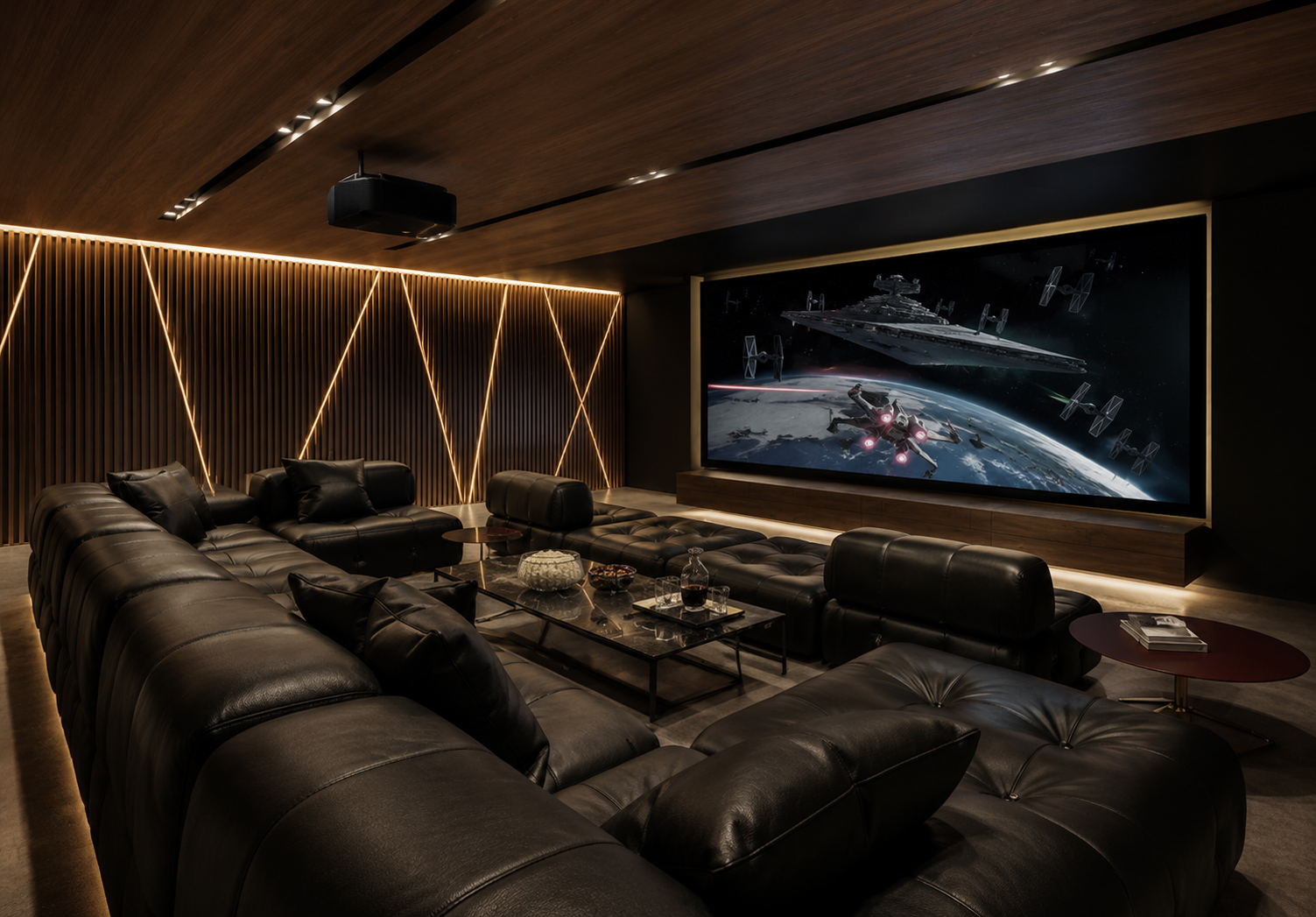
Plan the Theater Before the Room Is Built
The best time to design a home theater is before framing, electrical, HVAC, and decorative ceiling plans are finalized.
Many of the most damaging theater compromises occur because the technology and acoustic teams are brought into the project after the room has already been designed.
Before construction begins, coordinate:
- Room dimensions and ceiling height
- Screen size and viewing distance
- Seating layout and riser heights
- Speaker and subwoofer locations
- Acoustic treatment and sound isolation
- HVAC noise and equipment ventilation
- Lighting zones and control scenes
- Conduit, power, and low-voltage pathways
- Equipment rack location and service access
- Control, networking, and automation requirements
Private Cinema Frequently Asked Questions
How much does a private home theater cost?
Private cinema projects can range from approximately $15,000 to more than $300,000, depending on the room size, seating count, projection system, audio performance, acoustics, lighting, control, construction conditions, and final scope.
The pricing ranges on this page are planning estimates. Smarter Homes develops the final investment after reviewing the room, goals, and required performance level.
Do I need a dedicated room for a private cinema?
No. A dedicated enclosed room offers the greatest control over light, acoustics, seating, and sound isolation, but it is not the only option.
Smarter Homes also designs high-performance media rooms and multipurpose entertainment spaces. The best approach depends on the room, ambient light, seating layout, performance expectations, and how the space will be used.
When should a private cinema be planned?
The best time to plan a private cinema is before framing, electrical, HVAC, lighting, and decorative ceiling plans are finalized.
Early coordination allows the screen, seating, speaker locations, acoustic treatment, ventilation, lighting, wiring, and equipment rack to be integrated into the architecture instead of added after construction decisions have already been made.
How long does it take to design and install a private cinema?
The timeline depends on the room, construction schedule, system complexity, equipment availability, and the amount of coordination required with the builder, architect, interior designer, electrician, HVAC contractor, and acoustic team.
A smaller retrofit may move more quickly, while a fully engineered cinema planned during new construction can require several design, installation, programming, and calibration phases. Smarter Homes establishes the expected timeline after the room and final scope have been reviewed.
Why is acoustic treatment important in a private cinema?
Acoustic treatment helps control reflections, improve dialogue clarity, manage bass buildup, and create a more consistent listening experience throughout the room.
Smarter Homes works with Better Sound Acoustics to coordinate treatment placement, sound isolation, fabric systems, and architectural finishes so the acoustic design supports the room without looking added on afterward.
Ready to Design Your Private Cinema?
Whether you are planning a dedicated theater during new construction, upgrading an existing room, or creating a high-performance media space, Smarter Homes can help define the right design, performance level, and investment for your home.
Schedule a consultation to begin planning the screen, seating, audio, acoustics, lighting, control, and construction requirements as one complete system.